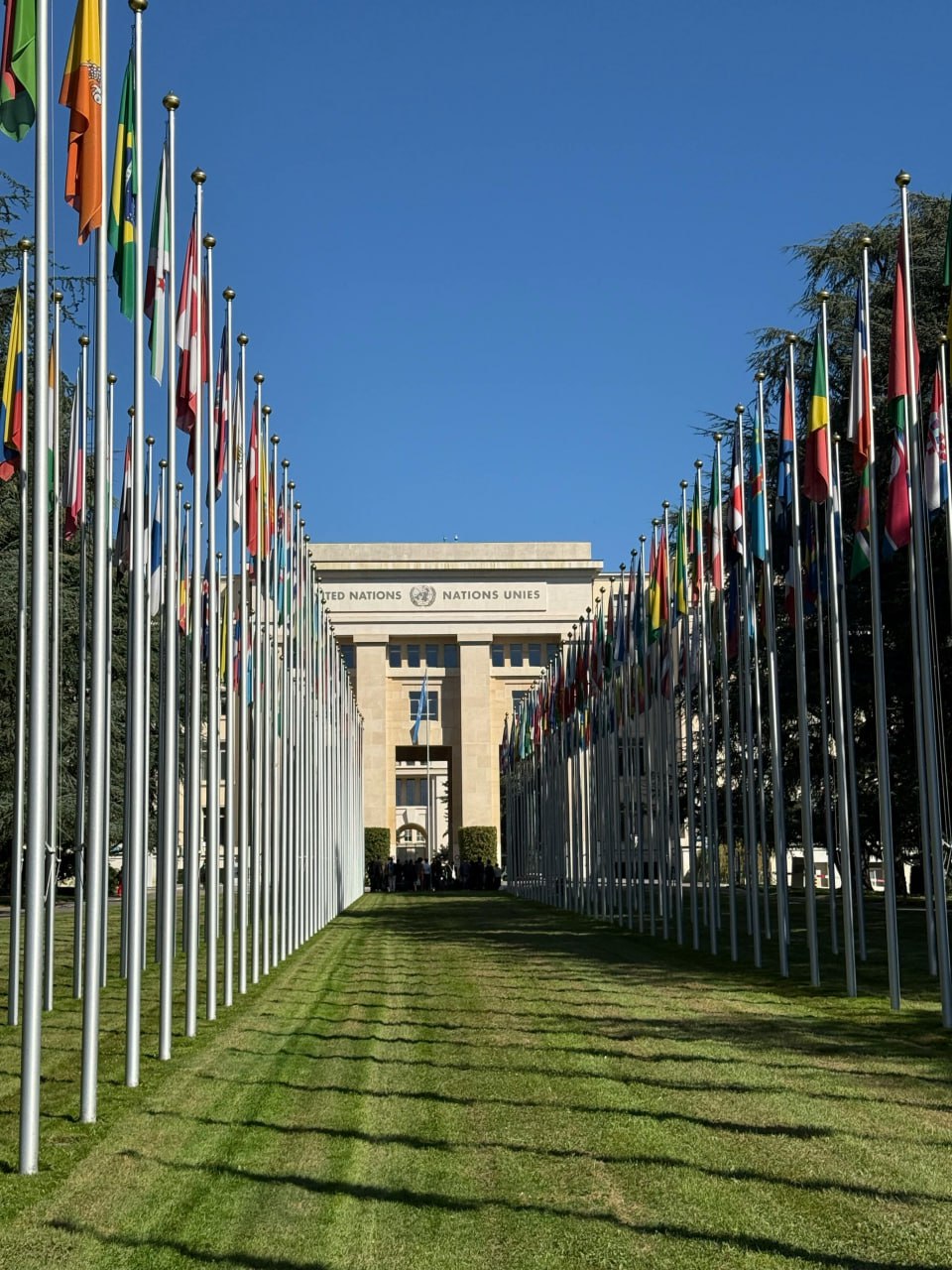
The snapback took effect automatically after the UN Security Council failed to pass a resolution extending the process within the required timeframe. All UN member states are now obligated to implement these sanctions through national legislation.
UN Sanctions Reimposed
The reimposed measures are grounded in UN Security Council Resolution 2231 (2015), which had temporarily lifted previous sanctions as part of the Joint Comprehensive Plan of Action (JCPOA). Under paragraph 11, any JCPOA participant can trigger snapback in the event of a “significant non-performance” by Iran. With no counter-resolution passed within 30 days, earlier sanctions have now resumed under the following reinstated resolutions:
• Resolution 1737 (2006): Asset freezes on individuals/entities linked to Iran’s nuclear and missile programs; restrictions on nuclear-related materials and technology.
• Resolution 1747 (2007): Ban on Iranian arms exports; additional asset freezes, including on Iranian banks tied to the IRGC.
• Resolution 1803 (2008): Travel bans, more asset freezes, and authorization to inspect Iranian cargo.
• Resolution 1929 (2010): Prohibited sales of heavy conventional weapons; expanded asset freezes, including those related to the IRGC.
• Resolutions 1696 (2006) and 1835 (2008): Reiterated calls for Iran to suspend uranium enrichment, though they did not impose sanctions.
⸻
EU Implements Reinstated Sanctions
The European Union has formally reimposed all applicable UN sanctions across member states. Key measures include:
• Travel bans and asset freezes on listed individuals and entities.
• Ban on financial transactions involving sanctioned parties, including the Central Bank of Iran and several commercial banks.
• Import bans on Iranian crude oil, natural gas, petrochemical products, and related services.
• Export restrictions on energy sector equipment, gold, precious metals, diamonds, certain naval equipment, and software.
• Ban on Iranian cargo flights landing in EU airports.
The EU has reimposed sanctions on 54 individuals and 161 entities under its Iran nuclear sanctions regime (Regulation (EU) 267/2012), with the following updates:
• Regulation (EU) 2025/1975: Restricts sale/export of sensitive goods, including nuclear technology and cybersecurity software.
• Implementing Regulation (EU) 2025/1980: Sanctions 8 people and 85 entities, including Bank Mellat and others tied to Iran’s missile program or its government.
• Implementing Regulation (EU) 2025/1982: Targets 43 individuals and 60 entities, including 15 linked to the IRGC and 3 connected to Iran’s shipping sector.
The EU also continues to maintain a separate sanctions regime focused on human rights violations in Iran, which remains unaffected by the JCPOA or UN measures.
In preparation for snapback, France enacted a national order on 26 September 2025 to transpose these sanctions into domestic law.
⸻
UK Reimposes UN Sanctions
The UK has fully implemented the UN sanctions as required under international law, adding 71 new designations to its sanctions list under the Iran (Sanctions) (Nuclear) (EU Exit) Regulations 2019:
• 9 individuals are now subject to asset freezes.
• 62 entities, including Iranian government bodies, oil companies, and major banks such as Bank Mellat, are also under asset freeze restrictions.
The UK continues to enforce two separate Iran sanctions regimes:
• Nuclear-related sanctions under the 2019 Nuclear Regulations
• Human rights sanctions under the 2019 Human Rights Regulations
Both remain in place regardless of changes to UN sanctions. Further information is available on the UK Government’s Iran sanctions pages.
⸻
US Position
UN Sanctions Reimposed
The reimposed measures are grounded in UN Security Council Resolution 2231 (2015), which had temporarily lifted previous sanctions as part of the Joint Comprehensive Plan of Action (JCPOA). Under paragraph 11, any JCPOA participant can trigger snapback in the event of a “significant non-performance” by Iran. With no counter-resolution passed within 30 days, earlier sanctions have now resumed under the following reinstated resolutions:
• Resolution 1737 (2006): Asset freezes on individuals/entities linked to Iran’s nuclear and missile programs; restrictions on nuclear-related materials and technology.
• Resolution 1747 (2007): Ban on Iranian arms exports; additional asset freezes, including on Iranian banks tied to the IRGC.
• Resolution 1803 (2008): Travel bans, more asset freezes, and authorization to inspect Iranian cargo.
• Resolution 1929 (2010): Prohibited sales of heavy conventional weapons; expanded asset freezes, including those related to the IRGC.
• Resolutions 1696 (2006) and 1835 (2008): Reiterated calls for Iran to suspend uranium enrichment, though they did not impose sanctions.
⸻
EU Implements Reinstated Sanctions
The European Union has formally reimposed all applicable UN sanctions across member states. Key measures include:
• Travel bans and asset freezes on listed individuals and entities.
• Ban on financial transactions involving sanctioned parties, including the Central Bank of Iran and several commercial banks.
• Import bans on Iranian crude oil, natural gas, petrochemical products, and related services.
• Export restrictions on energy sector equipment, gold, precious metals, diamonds, certain naval equipment, and software.
• Ban on Iranian cargo flights landing in EU airports.
The EU has reimposed sanctions on 54 individuals and 161 entities under its Iran nuclear sanctions regime (Regulation (EU) 267/2012), with the following updates:
• Regulation (EU) 2025/1975: Restricts sale/export of sensitive goods, including nuclear technology and cybersecurity software.
• Implementing Regulation (EU) 2025/1980: Sanctions 8 people and 85 entities, including Bank Mellat and others tied to Iran’s missile program or its government.
• Implementing Regulation (EU) 2025/1982: Targets 43 individuals and 60 entities, including 15 linked to the IRGC and 3 connected to Iran’s shipping sector.
The EU also continues to maintain a separate sanctions regime focused on human rights violations in Iran, which remains unaffected by the JCPOA or UN measures.
In preparation for snapback, France enacted a national order on 26 September 2025 to transpose these sanctions into domestic law.
⸻
UK Reimposes UN Sanctions
The UK has fully implemented the UN sanctions as required under international law, adding 71 new designations to its sanctions list under the Iran (Sanctions) (Nuclear) (EU Exit) Regulations 2019:
• 9 individuals are now subject to asset freezes.
• 62 entities, including Iranian government bodies, oil companies, and major banks such as Bank Mellat, are also under asset freeze restrictions.
The UK continues to enforce two separate Iran sanctions regimes:
• Nuclear-related sanctions under the 2019 Nuclear Regulations
• Human rights sanctions under the 2019 Human Rights Regulations
Both remain in place regardless of changes to UN sanctions. Further information is available on the UK Government’s Iran sanctions pages.
⸻
US Position
The United States withdrew from the JCPOA in 2018 and has since reimposed all US nuclear-related sanctions that had been lifted or waived under the deal. The US maintains that all UN member states must now comply with the reinstated sanctions. More details are available on US-Iran relations through the US sanctions resources.
⸻
International Reactions
• The E3 (UK, France, Germany) welcomed the reimposition of sanctions.
• The EU and US called for renewed diplomatic efforts and urged Iran to fully cooperate with the International Atomic Energy Agency (IAEA).
• South Korea, current UN Security Council President, expressed support for international negotiations with Iran.
Iran and Russia Oppose Sanctions
• Iran rejected the legitimacy of the snapback process, arguing that the E3 lacked legal standing to trigger it.
• Russia, through Foreign Minister Sergei Lavrov, also opposed the move, calling it “illegal and baseless.”
⸻
International Reactions
• The E3 (UK, France, Germany) welcomed the reimposition of sanctions.
• The EU and US called for renewed diplomatic efforts and urged Iran to fully cooperate with the International Atomic Energy Agency (IAEA).
• South Korea, current UN Security Council President, expressed support for international negotiations with Iran.
Iran and Russia Oppose Sanctions
• Iran rejected the legitimacy of the snapback process, arguing that the E3 lacked legal standing to trigger it.
• Russia, through Foreign Minister Sergei Lavrov, also opposed the move, calling it “illegal and baseless.”
