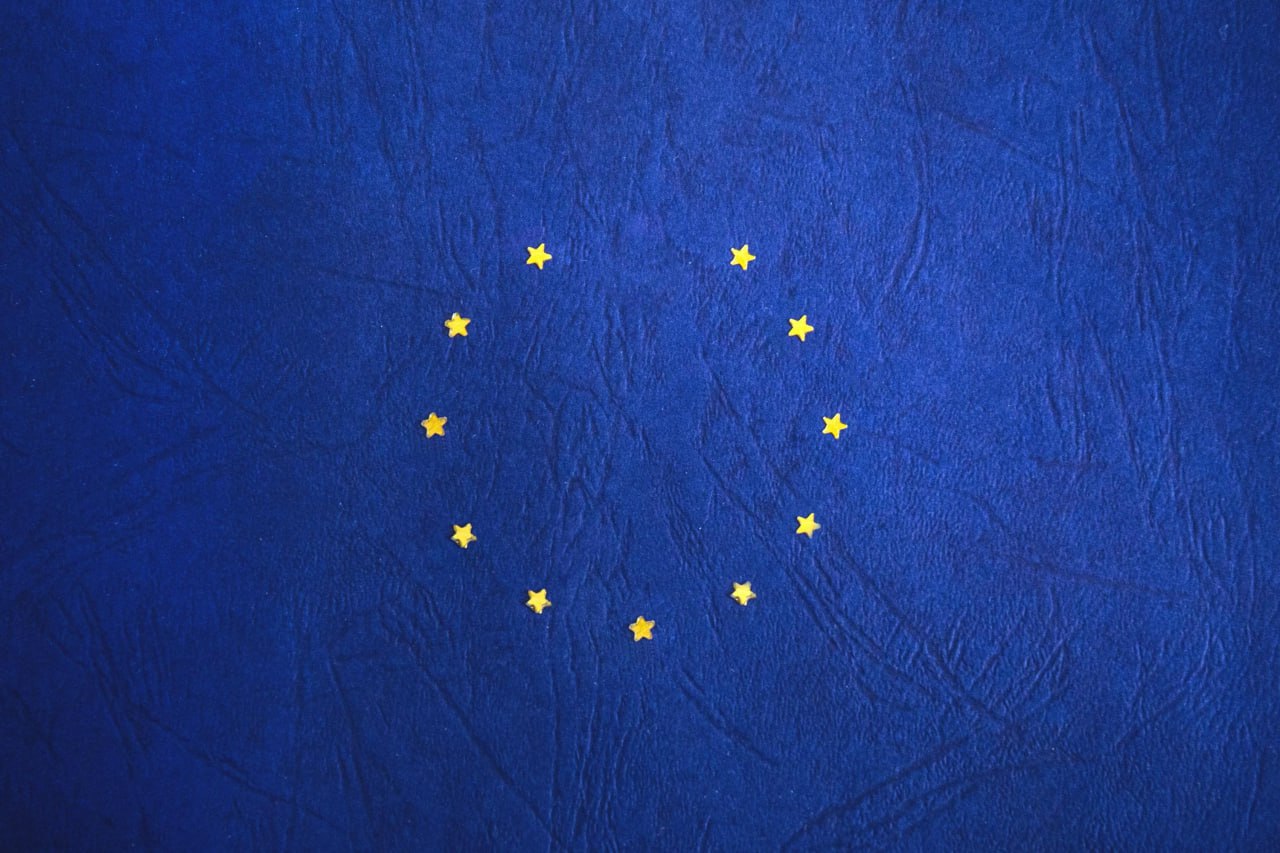
The European Commission has released a draft regulation proposing a 50% tariff on the majority of steel imports into the European Union. This move follows the United States’ recent introduction of a similar 50% global steel import tariff in June 2025.
If adopted, the EU proposal would:
• Cap duty-free steel imports at 18.3 million tonnes annually.
• Double the current out-of-quota tariff rate from 25% to 50%.
The draft regulation will now be reviewed by the EU Council and European Parliament. Both institutions may suggest amendments. If they agree on a final version and formally adopt it, the regulation will become law across the EU.
Background: Current Import Framework
Steel imports into the EU are currently governed by the safeguard measure under Implementing Regulation (EU) 2019/159, which is set to expire in June 2026. That framework imposes a 25% tariff on imports exceeding established quotas.
In March 2025, the Commission introduced the Steel and Metals Action Plan and initiated consultations on revising the safeguard system. The Commission argues that the proposed tariff hike is necessary because the EU is the only major steel-producing region experiencing a decline in production capacity. It also cited a lack of progress on global efforts to address chronic steel overcapacity. The higher tariff is intended to reduce the risk of excess steel being redirected to the EU due to stricter import measures in other markets.
Determining the Tariff-Free Import Volume
The proposed 18.3 million tonne tariff-free quota is based on the share of imports in the EU steel market prior to the current overcapacity crisis. The base year for this calculation is 2013, when imports accounted for 13% of EU steel consumption. This percentage was applied to 2024’s total steel consumption to determine the new quota. Steel imports from Russia and Belarus are excluded, as they are already subject to bans.
Application of New Tariff Quotas
The new quotas would affect nearly all non-EU countries, even those with EU free trade agreements. However, Norway, Iceland, and Liechtenstein would be exempt. Quotas will be set by product category.
Additionally, the proposal includes measures to identify steel from “melt and pour” countries—nations that produce raw steel but export it to other countries for further processing. According to the Commission, tracking these imports would improve transparency in the steel supply chain.
If adopted, the EU proposal would:
• Cap duty-free steel imports at 18.3 million tonnes annually.
• Double the current out-of-quota tariff rate from 25% to 50%.
The draft regulation will now be reviewed by the EU Council and European Parliament. Both institutions may suggest amendments. If they agree on a final version and formally adopt it, the regulation will become law across the EU.
Background: Current Import Framework
Steel imports into the EU are currently governed by the safeguard measure under Implementing Regulation (EU) 2019/159, which is set to expire in June 2026. That framework imposes a 25% tariff on imports exceeding established quotas.
In March 2025, the Commission introduced the Steel and Metals Action Plan and initiated consultations on revising the safeguard system. The Commission argues that the proposed tariff hike is necessary because the EU is the only major steel-producing region experiencing a decline in production capacity. It also cited a lack of progress on global efforts to address chronic steel overcapacity. The higher tariff is intended to reduce the risk of excess steel being redirected to the EU due to stricter import measures in other markets.
Determining the Tariff-Free Import Volume
The proposed 18.3 million tonne tariff-free quota is based on the share of imports in the EU steel market prior to the current overcapacity crisis. The base year for this calculation is 2013, when imports accounted for 13% of EU steel consumption. This percentage was applied to 2024’s total steel consumption to determine the new quota. Steel imports from Russia and Belarus are excluded, as they are already subject to bans.
Application of New Tariff Quotas
The new quotas would affect nearly all non-EU countries, even those with EU free trade agreements. However, Norway, Iceland, and Liechtenstein would be exempt. Quotas will be set by product category.
Additionally, the proposal includes measures to identify steel from “melt and pour” countries—nations that produce raw steel but export it to other countries for further processing. According to the Commission, tracking these imports would improve transparency in the steel supply chain.
